
Blog Hero

Helpful Articles

Schedule Visit
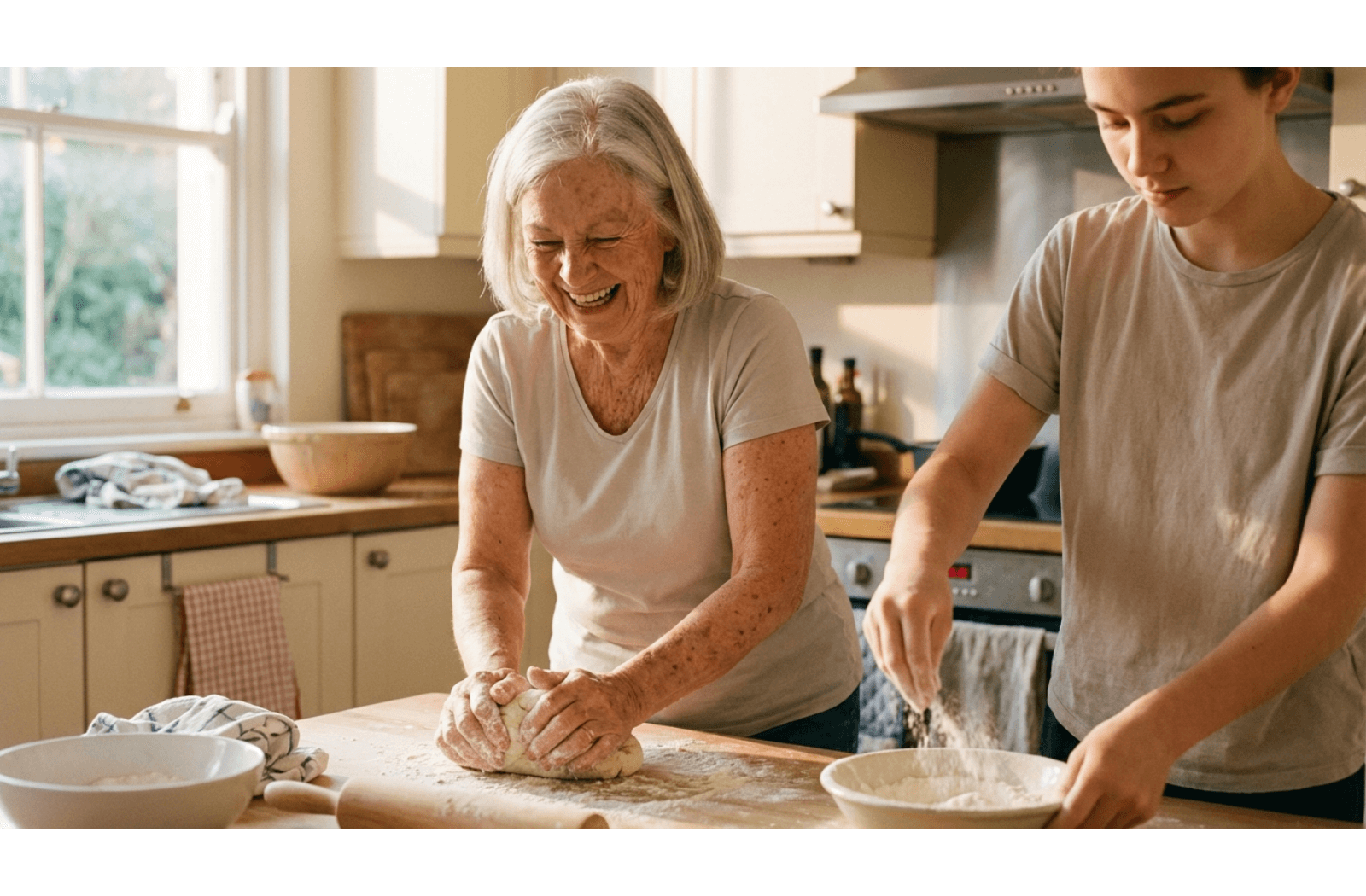
An older adult kneads dough in a sunlit kitchen while a younger person assists by dusting flour, showing supported independence in a home setting.

What Kind of Care Do People with Dementia Need?

Watching a loved one experience memory loss can shift the rhythm of daily life. Familiar routines may start to feel uncertain, and small changes can carry more weight than they once did. Over time, the type of support that feels appropriate may also change. Care for someone with dementia is rarely static—it grows and adjusts…
Two older adults sitting close together on a wooden park bench on a sunny day surrounded by trees

Understanding Dementia: Key Facts & Misconceptions

Key Takeaways Dementia is a general term for symptoms related to memory and thinking, not a specific condition itself. Alzheimer's is one type of dementia. Common myths often create unnecessary fear. A person can live a meaningful life with a dementia diagnosis, and communication remains possible even as it changes. Early signs can include shifts…
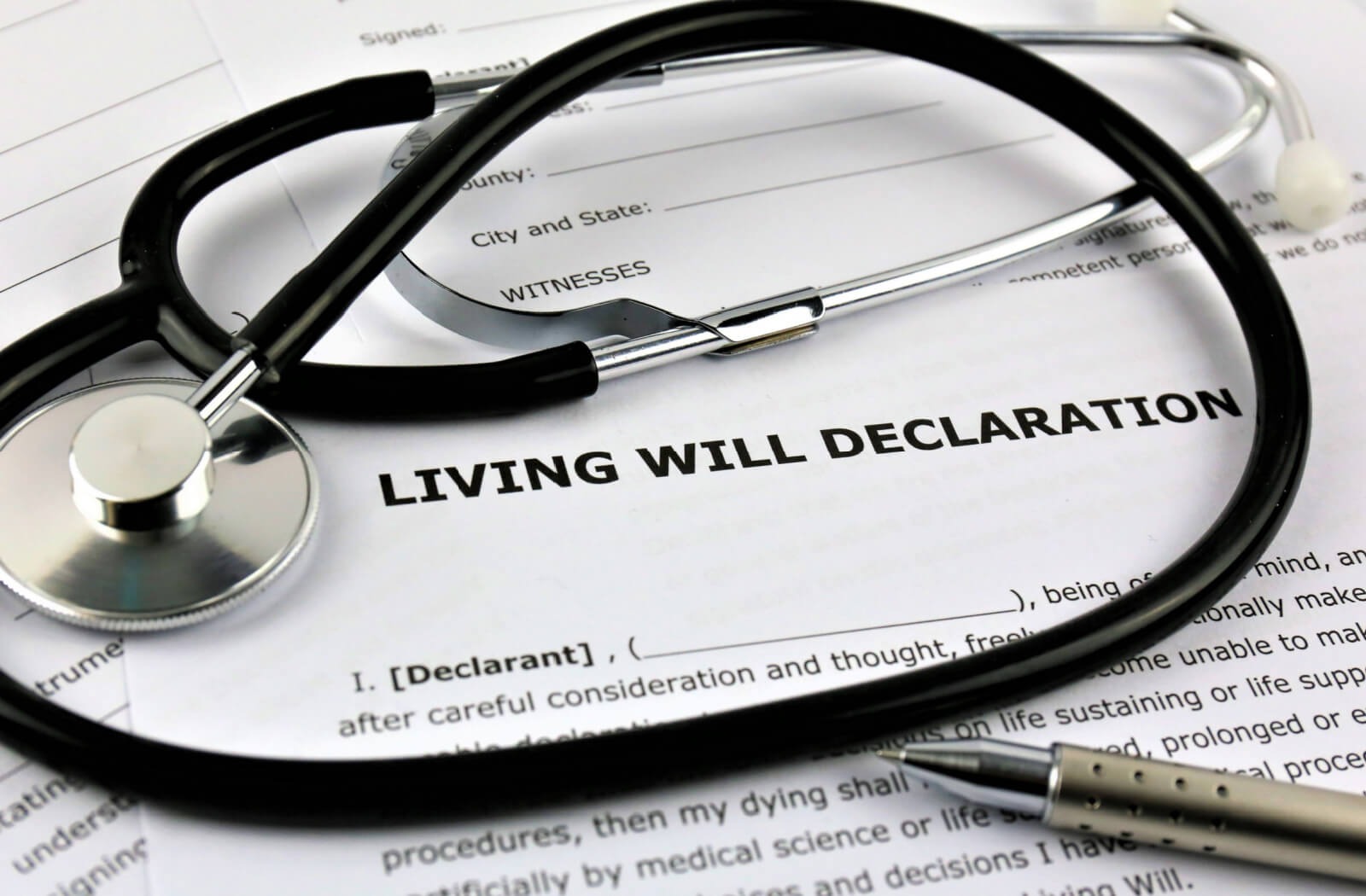
a living will declaration with a stethoscope resting on top

Can Someone with Dementia Sign Legal Documents?

Key Takeaways A dementia diagnosis does not immediately disqualify someone from signing legal documents. Legal capacity is determined by a person’s ability to understand the document's purpose and effects at the moment of signing. Early planning with documents like a power of attorney and a living will is very helpful for future decision-making. If a…
a senior sits on a couch chatting on a smartphone

Should a Person with Dementia Have a Phone?

Key Takeaways Deciding whether a person with dementia should have a phone requires balancing connection, independence, and safety. Phones can maintain social connections, support autonomy, and provide a safety tool when simplified for ease of use. Picture-based phones, simplified cell phones, or familiar landlines reduce confusion and make communication manageable. Consider potential challenges, including difficulty…
An adult child and their senior loved one laugh as they enjoy a walk together outdoors.

9 Signs It Might Be Time for Assisted Living

Key Takeaways Changes in personal care, medication management, and nutrition can be early indicators that more support is needed. A decline in home maintenance, increased safety concerns, and social withdrawal can be subtle yet significant signs. Growing strain on family caregivers suggests it may be time to explore professional senior living options. The right level…
Healthy food for brain function and memory inside a chalk drawing of the brain on a black chalkboard.

Is Dementia Hereditary from Grandparents?

Key Takeaways Dementia isn't directly inherited like eye color, but family history can increase your risk Having a grandparent with dementia slightly raises your chances, but most cases aren't hereditary Lifestyle choices play a bigger role than genetics in preventing dementia Different types of dementia have varying genetic patterns Planning ahead with memory care and…
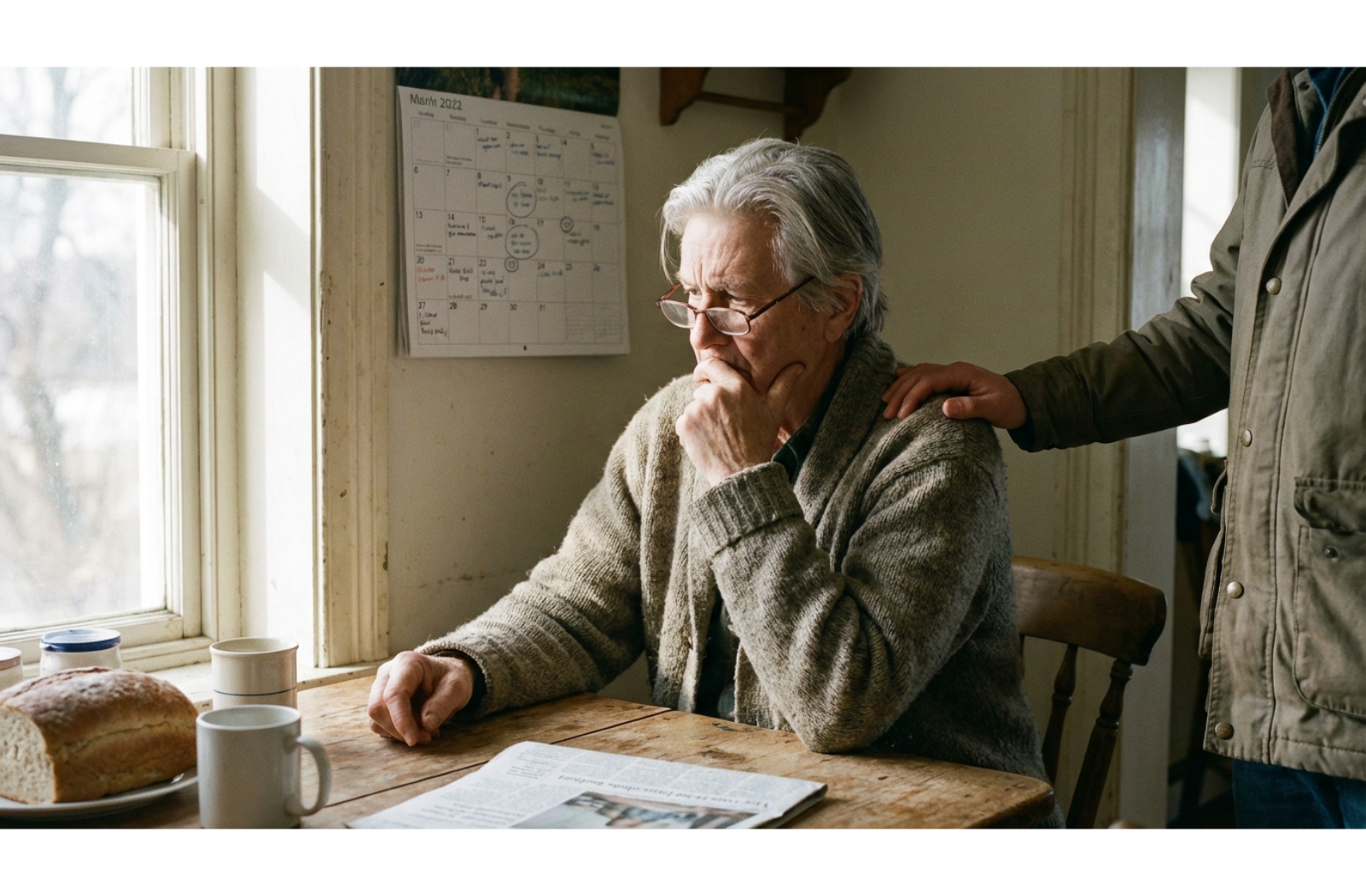
An older adult sits indoors near a bright window with their hands clasped under their chin.

What to Do If Your Parent Wants to Leave Assisted Living or Memory Care

Key Takeaways Approach conversations with empathy and ask open-ended questions Understand whether concerns are emotional, related to care, or lifestyle preferences Explore adjustments in the current community before considering a move Use local Tampa resources, like geriatric care managers and support groups Keep family members involved and aligned throughout the process Support your parent during…
Two older adults relaxing on a sunny porch with coffee and a tablet surrounded by flowers and outdoor furniture

Seasonal Changes & Memory Care: How Our Team Keeps Residents Grounded

While Tampa’s seasons may not shift dramatically like other parts of the country, even subtle changes in light, daily routines, or temperature can significantly impact residents living with memory loss. For individuals in memory care, consistency is vital. Familiar surroundings, predictable schedules, and sensory cues aid in reducing confusion and supporting emotional well-being. With a…
A group of seniors enjoy tea and a light snack together.

How to Increase Appetite in the Elderly?

Maintaining proper nutrition is vital at every stage of life, yet appetite loss can become a significant barrier to good health for many seniors. A diminished interest in food often leads to unintended weight loss, weakened immunity, and even social isolation. A few ways to increase appetite in the elderly include: Prioritizing smaller, frequent meals…

Inspired Lifestyles

Memory Care

Purpose-built memory care provides comprehensive, personalized support for loved ones living with Alzheimer’s disease and dementia.

Respite Stays

Respite stays offer temporary relief to families by taking over their caregiving duties while providing access to everything our community offers.

instagram facebook facebook2 pinterest twitter google-plus google linkedin2 yelp youtube phone location calendar share2 link star-full star star-half chevron-right chevron-left chevron-down chevron-up envelope fax